Fruit Thinning Apple Trees

Fruit thinning apple trees
The most important reason to thin fruit is to increase fruit size. Most deciduous fruit trees benefit from fruit thinning. Apples, pears, Asian pears, apricots, plums, peaches, kiwi and persimmons all respond positively to fruit thinning. Cherries and nut trees are usually not thinned.
When should I thin my fruit trees?
Although thinning fruit can proceed throughout the summer, the best time to thin fruit is shortly after the young fruit appear. Removing the extra small fruit in late spring allows the tree to direct its energy to the remaining fruit throughout the summer.
Why do you thin apple trees?
Thinning lessens the demand on the tree's resources so it is able to make good growth and develop fruit buds for the following year so avoiding the risk of biennial bearing. Young trees allowed to crop too heavily will be set back. Fruit thinning may reduce the spread of pests and diseases, such as brown rot.
How can I make my apple tree thicker?
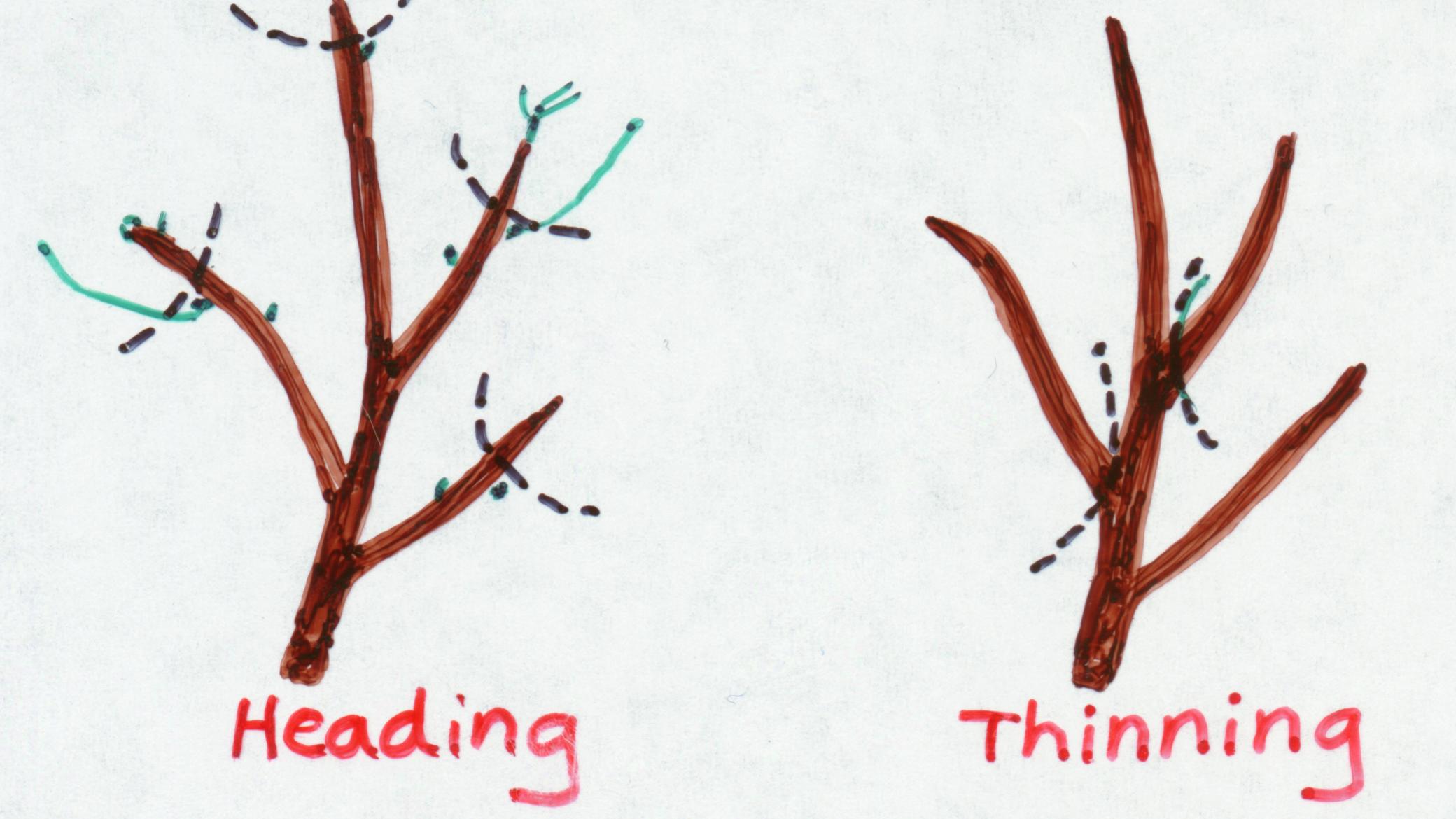
Remove any branches growing toward the center of the tree with a thinning cut. Give the tree a haircut. Known as heading back, this encourages branches to grow shorter and thicker, as well as triggering lower growth in the canopy. It keeps your apple tree branches from continuing to grow upward and outward.
What to do with apple thinnings?
Making apple scrap vinegar is another of my. favourite ways to use windfall apples or thinned apples. I make use of this in a wide range of ways around my home – from cleaning, to making hair rinses, for example. Of course, we can simply leave some dropped fruits for the wildlife in our gardens.
When should you not trim apple trees?
When to Prune an Apple Tree. Pruning is best done in late winter while the tree is dormant, or in the early spring before new growth has begun. If possible, avoid pruning in the summer and fall, as this stimulates new, sensitive growth that may be vulnerable to insect attack and winter damage.
How do you thin out an apple tree?
So it's going to get a jump on its siblings next to it. And we want the biggest fruit. So we're
Is it too late to thin my apples?
Thinning an apple tree can take place throughout the summer but, ideally, you should thin in the late spring. The tree will naturally thin itself, called the “June drop.” This doesn't always occur in June, however. It depends on your region and the cultivar, but it does happen a few weeks after the fruit sets.
How do you thin out fruit trees?
Pick off excess fruits between finger and thumb, leaving 5-8cm (2-3in) between smaller fruits or one pair of fruits every 15cm (6in). Peaches and nectarines: Start thinning peaches in spring when they are the size of a hazelnut to leave 10cm (4in) between fruitlets.
Which is a fruit thinning agent?
6BA. 6BA is a cytokinin—an active fruit thinner that can also enhance cell division.
How often should you thin trees?
Thinning operations should first remove the weak, diseased, poorly formed and damaged trees followed by selecting additional trees until the optimum stand density is reached. Another thinning should be considered 5 to 10 years later before the trees become crowded again and the growth rate slows.
Should I pinch off apple blossoms?
If bloom is light, carefully pruning off the flowers with pruning scissors will eliminate the crop. Be careful to remove only flowers and not leaf tissue or growing points. Perform this task when conditions will remain dry for 24 hours to avoid causing fire blight infections sites.
How do I get my apple tree to bear more fruit?
In order for fruit to be produced, most trees must be pollinated. Cold weather and a reduction in pollinating insects can cause trees to blossom but bear no fruit. For best results with apple trees, plant two different varieties close together for cross pollination.
How do I make my apple tree bushier?
In order for the stems to become thicker and develop flowers cut all branches back by ⅓ of its original length. However, make sure to make these cuts just above a bud that faces outward in order for the tree to have a healthy shape.
What happens if you over prune an apple tree?
If you prune too many branches off a fruit tree you can kill the tree. And even if the tree does not die, it will produce water sprouts, straight up and down branches that do not produce fruit. Never prune off more than 20% of an old apple tree each year.
How do you nurse an apple tree back to health?
Good Summer Care Practice deep watering throughout the summer and fall. This will help your tree's roots grow more deeply, which will keep them healthy in the colder months. Make sure to fertilize during the warmer seasons as well, which will increase your tree's health during the winter.
What do you fertilize apple trees with?
Fruit trees prefer an organic, high nitrogen fertilizer. Blood meal, soybean meal, composted chicken manure, cottonseed meal, and feather meal are all good, organic nitrogen sources. There are also specially formulated fruit tree fertilizers.
Will apples ripen if picked green?
Unlike some fruits, apples continue to ripen long after they are picked off the tree.
Should I cut the lower branches of an apple tree?
Pruning is necessary in order to open up the tree canopy to sunlight and air circulation and promote fruit production and a healthy plant.
Can I cut off the top of my apple tree?
Pruning can bring an old tree back to health and let you reap the fruit of your labor. Start by making cuts at the top of the tree, and work downward so that falling wood doesn't break limbs you've already pruned. A clean, smooth cut will heal quickly. The wood behind the cut is diseased and also needs to be removed.
14 Fruit thinning apple trees Images
Pruning Tree Fruits Plum Damson Cherry Apple Pear Dig for

4 Benefits of Thinning Fruit Trees Stark Bros Fruit trees Growing

Thinning Out Apples Learn How And When To Thin Apple Trees Apple

Pin by Gary Stowe on Fruit Citrus Trees Fruit trees Fruit garden

43 Prune ideas prune tree pruning tree care

Thinning peaches and pinching watersprouts Pruning fruit trees

How To Prune Apple Trees Fruit Plants Fruit Garden Garden Planters

pruning Pruning apple trees Prune Tree pruning

Flowering crab apple Crab apple Tree Plants

Fruit Forum Plants Garden Fruit

How to Thin Peaches for Better Harvests Healthier Trees Growing
pg2bJPG 20801170

How to Thin Peaches for Better Harvests Healthier Trees Peach tree

Post a Comment for "Fruit Thinning Apple Trees "